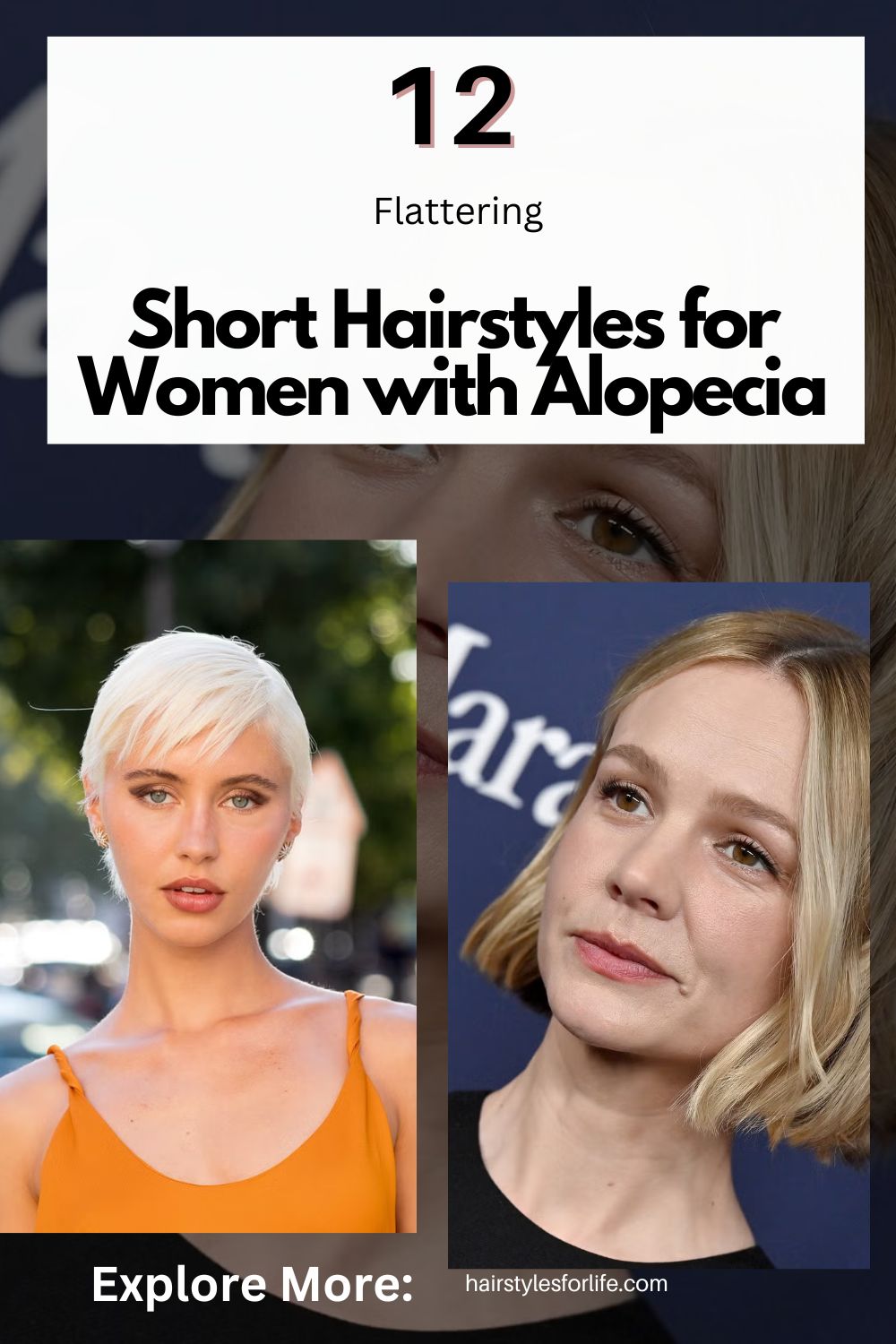
I remember standing in front of the mirror one morning, hairbrush in hand, noticing a little more scalp than yesterday. My heart sank. If you’ve been there—or you’re there right now—I get it. Hair loss can feel deeply personal, confusing, and honestly unfair. When alopecia enters the picture, it’s not just about hair anymore; it’s about confidence, identity, and those quiet moments when you wonder, Will I ever feel like myself again?
That’s exactly why short hairstyles for women with alopecia can be such a game-changer. Short styles aren’t about “giving up”—they’re about taking control. They can feel freeing, stylish, and way more empowering than people expect. And no, you don’t have to hide or follow boring rules (who made those anyway?).
In this article, I’ll walk you through flattering, confidence-boosting short hairstyles for women with alopecia that actually work in real life. Styles that are easy, modern, and—most importantly—make you feel good when you catch your reflection. Because you deserve that.
Short Hairstyles for Women with Alopecia
Short hairstyles for women with alopecia are stylish, practical, and confidence-boosting. They help minimize the appearance of thinning areas while offering comfort and easy daily care.
Honestly, the pixie cut was the first style I truly felt brave enough to try after dealing with alopecia. I remember standing in front of the mirror thinking, “Well, here we go.” What I love about a pixie is how it stops you from hiding. It puts your face forward, and in a strange way, that felt empowering. In my experience, keeping the sides and back slightly tapered helps everything look intentional, not like you just gave up on styling. I’ve found that a soft fringe or wispy top adds movement, which really helps when hair density is uneven. To make this work, I always tell women to talk openly with their stylist about thin patches. A good stylist will cut around them, not straight through them. Styling-wise, I rely on lightweight texturizing cream, nothing heavy. You just rub a tiny amount between your fingers and pinch the top. It’s quick, forgiving, and on days when hair loss feels loud, the pixie feels quietly strong.
Buzz Cut
To be fair, the buzz cut isn’t for everyone emotionally, but when it clicks, it really clicks. I shaved my head during a rough patch, partly out of frustration, partly out of curiosity. What surprised me most was the relief. No more stressing about coverage, no more styling tricks. Alopecia becomes part of the look, not something you’re fighting. In my opinion, that mental shift is powerful. A buzz cut makes hair loss look intentional, bold, and honestly kind of chic. If you’re considering it, start with a slightly longer guard before going super short. That helped me ease into it. I also learned quickly that scalp care becomes your new hair care. Gentle exfoliation, sunscreen, and a bit of oil at night make a huge difference. Earrings, glasses, and makeup suddenly matter more, and that can be fun. It’s not about giving up, it’s about choosing peace.
Soft Layered Crop
I’ve found the soft layered crop to be a lifesaver for women who want short hair without committing to something super edgy. This style gives the illusion of fullness, especially when alopecia causes thinning at the crown or sides. I remember recommending this to a reader who was terrified of short hair, and weeks later she emailed me saying she finally felt “normal” again. That stuck with me. Layers, when done right, can be incredibly comforting. The key is keeping the layers light and blended. Heavy layers can expose thin areas, so I always ask for softness and movement instead. Styling is simple, which I love. A round brush and a little blow-dry cream are enough. You don’t need perfection here. Let the hair fall naturally, and don’t overthink it. This cut works with your hair’s reality, not against it, and that’s why I keep coming back to it.
The tapered short cut is one of those styles that quietly does a lot of work. In my experience, it’s especially helpful for alopecia around the nape or sides. By tapering those areas, you remove the contrast between thick and thin hair. I’ve worn variations of this cut during flare-ups, and it always made my hair look cleaner and more controlled. It feels polished without being fussy, which I really appreciate. When getting this cut, I always stress the importance of balance. You want the taper to be smooth, not harsh. Ask your stylist to keep the top slightly longer so you can play with texture. Styling-wise, I stick to matte products because shine can highlight sparse areas. Just a small amount, worked through the top, is enough. This cut is for women who want something low-maintenance but still put-together.
Asymmetrical Pixie
I’ll be honest, the asymmetrical pixie felt risky the first time I tried it, but it ended up being one of my favorites. The uneven lengths distract the eye, which is incredibly helpful when alopecia creates irregular growth patterns. One longer side can cleverly cover thinner spots, and the shorter side keeps the whole look intentional. I’ve found this style especially empowering because it feels creative, not corrective. If you’re going this route, trust your stylist and be clear about where your hair is strongest. I always say, let the healthier side shine. Styling doesn’t need to be perfect. I usually sweep the longer side with my fingers and leave the rest a bit messy. That slight imperfection makes it feel modern. In my opinion, this cut is for women who want their hair to say, “Yes, this is different, and I like it.”
Short Textured Bob
The short textured bob is my go-to recommendation for women who aren’t ready to go super short but still want relief from managing thinning hair. I’ve seen this cut transform how women feel about their alopecia because texture creates the illusion of density. I remember struggling with flatness at the crown, and this bob gave me volume without teasing or heavy products. It felt like a win. The trick is keeping it above the shoulders and adding texture through the ends, not the roots. Too much root layering can expose thinning. I usually style mine with a blow dryer and fingers, then add a bit of dry texture spray. Let it move, let it breathe. This cut looks best when it’s a little undone. It’s forgiving, flexible, and surprisingly confidence-boosting.
I’ve always loved the side-swept crop for how gentle it feels. When alopecia affects the front hairline or temples, sweeping the hair to one side can be incredibly flattering. I’ve worn this style during times when my hairline felt fragile, and it helped me stop obsessing over symmetry. Honestly, perfection is overrated anyway. To make this work, you need a good side part and a bit of length on top. I usually ask my stylist to cut the fringe longer so I can adjust it depending on how my hair is behaving that day. Styling is simple: a light mousse and a quick blow-dry in the direction you want the hair to fall. This cut feels soft, feminine, and comforting, which is sometimes exactly what you need.
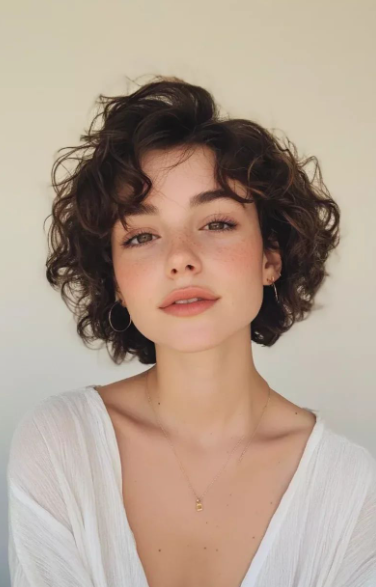
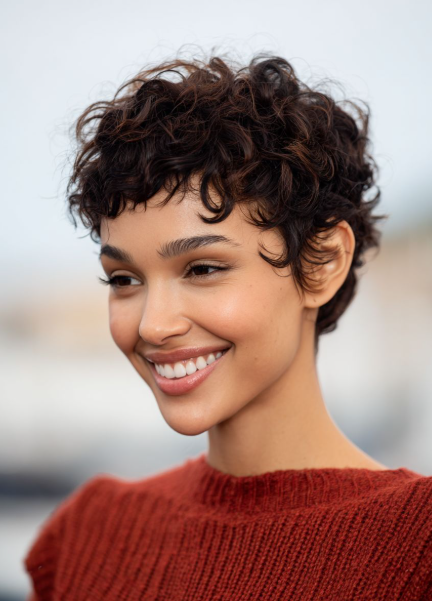
Curly hair and alopecia can be a complicated relationship, and I say that from experience. But a curly short cut can actually be freeing. Curls naturally add volume and disguise uneven growth, which I’ve found incredibly helpful. I used to fear cutting my curls short, but once I did, I realized how much lighter I felt, both physically and emotionally. The most important thing here is cutting curls dry or curl-by-curl. That changed everything for me. I also learned to stop over-styling. A good curl cream, scrunched in, is enough. Let your curls do their thing. This style isn’t about control; it’s about trust. When you lean into your natural texture, alopecia doesn’t feel like the main character anymore.
Shaved Sides with Longer Top
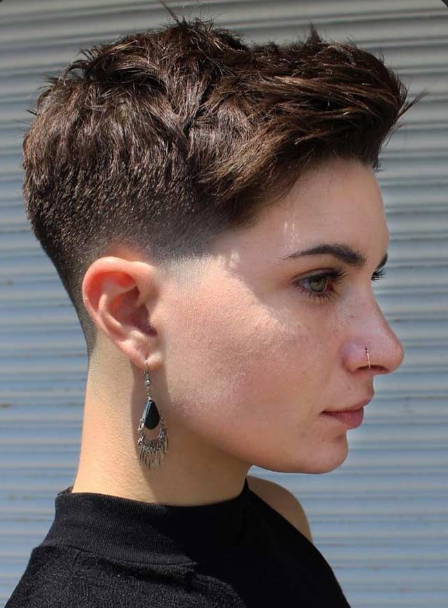
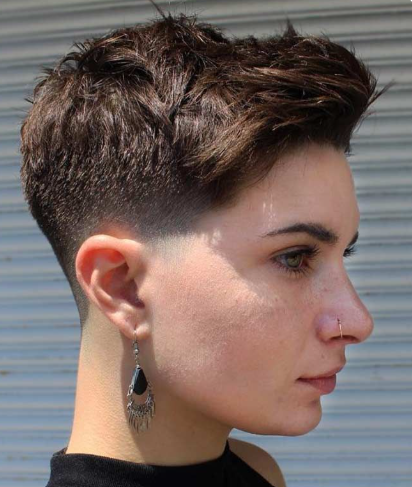
This style came into my life during a phase where I was tired of pretending everything was fine. Shaved sides with a longer top feel bold and honest. For alopecia, shaving the sides can actually reduce the contrast between sparse and dense areas. I’ve found it oddly comforting to remove hair where it struggles to grow anyway. The longer top gives you options. You can slick it back, wear it messy, or sweep it forward on tough days. Maintenance is key here, though. Regular trims keep it looking intentional. I also recommend being emotionally ready for attention, because people will notice. But in my opinion, that visibility can be empowering. This cut doesn’t hide alopecia; it reframes it.
Styling Tips for Alopecia-Friendly Short Hair
Styling short hair with alopecia should focus on being gentle, comfortable, and supportive of scalp health. The right techniques can help your hair look fuller while preventing further stress or breakage.
Lightweight styling products Use light creams, mousses, or volumizing sprays that don’t weigh hair down or clog the scalp. Avoid heavy gels and waxes.
Avoiding heat damage Limit the use of straighteners, curlers, and hot dryers. If heat is needed, always use a low setting and a heat protectant.
Creating volume without pulling hair Style with fingers instead of tight brushes or combs. Soft side parts and gentle tousling can add volume without tension.
Using scalp-friendly tools Choose wide-tooth combs, soft-bristle brushes, and smooth hair accessories to reduce irritation and hair pulling.
Hi, I’m Anna Spencer, A professional hairstylist based in North Carolina and the creator of Hairstyles for Life. With over a decade of hands-on salon experience, I’ve styled everything from everyday looks to runway-ready transformations. I started this website to share my passion for hair, offer expert tips, and help you feel confident in your personal style no matter your hair type or length. Whether you’re looking for quick tutorials, timeless trends, or honest product advice, you’ll find it all here.