
I’ll be honest—thin, straight hair can feel so frustrating sometimes. I still remember standing in front of the mirror, tugging at my hair, wondering why it looked flat five minutes after styling. Sound familiar? You try volumizing sprays, fancy blow-dry tricks, maybe even a new haircut… and still, it falls right back down. Ugh.
That’s exactly why short hairstyles for thin straight hair can be such a game changer. Shorter cuts don’t just save time in the morning (huge win), they actually help your hair look fuller, lighter, and more alive. And no, you don’t need super thick hair or a stylist-level routine to pull them off.
If you’ve ever thought, “Will short hair even suit me?” or “How do I add volume without damage?”—you’re in the right place. I’ll walk you through styles that work, why they work, and how to make thin straight hair finally cooperate. Trust me, it’s easier than you think.
Short Hairstyles for Thin Straight Hair
Short hairstyles for thin straight hair are perfect for adding volume, shape, and a fuller look. The right short cut can make fine hair appear thicker while keeping styling easy and fresh.
Pixie Cut with Layers
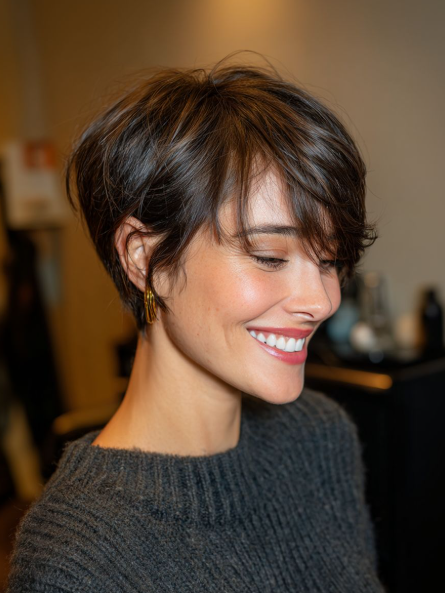
I’ll be honest, the first time I tried a pixie cut with layers, I was nervous. Thin straight hair can feel unforgiving, and I was scared it would just sit flat and expose everything I didn’t like. But once those soft layers were added, I finally saw movement. In my opinion, the magic is in keeping the top slightly longer and letting the layers do the quiet work of lifting the hair without screaming for attention.
I’ve found this style works best when you don’t overstyle it. I usually rough-dry with my fingers and add a pea-sized amount of lightweight texturizing cream. If you’re thinking about this cut, tell your stylist you want softness, not sharpness. Honestly, the wrong kind of layering can make thin hair look wispy instead of full, so clarity really matters here.
Blunt Bob
To be fair, I avoided the blunt bob for years because I thought it would make my hair look thinner. Turns out, I was wrong. A clean, blunt edge can actually make thin straight hair look thicker because there’s no tapering at the ends. When I finally tried it, I was shocked at how strong and polished my hair looked.
What I always tell readers now is this: the length is everything. I personally love it just below the jaw because it frames the face without dragging the hair down. I keep styling simple—flat iron just the ends, no flipping. If your hair is naturally very fine, skip heavy serums. In my experience, they kill the fullness this cut is known for.
Textured Bob
This is the haircut I recommend when someone says, “I want volume, but I don’t want to look styled.” A textured bob has that lived-in feel that thin straight hair really benefits from. I remember walking out of the salon and actually touching my hair all day because it finally felt like it had body.
I’ve learned that texture doesn’t mean choppy mess. It’s about subtle point-cutting and light layering around the crown. At home, I scrunch in a dry texture spray and let it be a little imperfect. Honestly, that slight messiness is what makes this style flattering. If you like effortless hair but still want shape, this one rarely disappoints.
Chin-Length Bob
There’s something very confident about a chin-length bob, especially on thin straight hair. In my experience, shorter lengths stop the hair from collapsing under its own weight. The first time I wore it this short, I felt exposed—but also kind of powerful.
I usually style it with a round brush, focusing on lifting the roots at the crown. I’ve found that keeping the ends slightly tucked inward helps the hair look fuller. If you’re trying this cut, don’t skip regular trims. Thin hair shows growth quickly at this length, and keeping it sharp is what maintains that thick illusion.
Asymmetrical Bob
I went through an asymmetrical bob phase when I was bored with “safe” haircuts, and honestly, it was refreshing. The uneven lengths distract the eye, which is great for thin straight hair. People notice the shape before they notice the density.
In my opinion, this cut works best when the difference isn’t extreme. I like one side just slightly longer—enough to feel intentional but not dramatic. I usually style it sleek to show off the angles. If you want something modern and a little bold without sacrificing fullness, this is a smart option.
Layered Pixie Cut
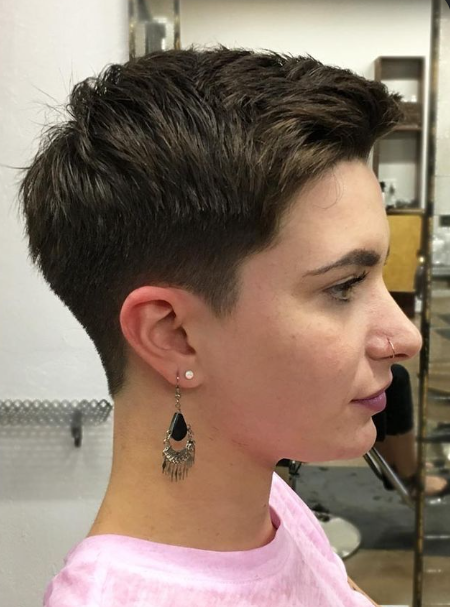
A layered pixie is for anyone who wants freedom but still cares about shape. I’ve worn this cut during phases when I didn’t want to think about my hair every morning. Thin straight hair actually behaves well in a pixie when the layers are done right.
I always ask for layers concentrated at the crown because that’s where volume matters most. Styling-wise, I rub a tiny bit of matte paste between my palms and lightly touch the top. Too much product ruins it. In my experience, this cut feels best when it’s light, airy, and slightly undone.
Short Shag Hairstyle
I’ll admit, the short shag scared me at first. All those layers felt risky for thin straight hair. But when done properly, it adds movement in a way few cuts can. I remember thinking, “Why does my hair suddenly look alive?”
The trick is balance. I’ve found that keeping the ends wispy but the crown fuller makes all the difference. I usually let this style air-dry with a bit of volumizing mousse. If you like a casual, rock-and-roll vibe and don’t want your hair to look stiff, this cut brings personality without effort.
Feathered Short Cut
Feathered cuts don’t get enough credit anymore. I tried one on a whim, expecting it to look dated, but it surprised me. The soft, feathered layers gave my thin straight hair a gentle lift and a lot of movement.
I’ve learned that this style shines when blow-dried with a light hand. I use a round brush and flick the ends outward slightly. In my opinion, feathering works best when it’s subtle. Too much and it feels old-school, but just enough makes the hair look fuller and airy.
Side-Parted Bob
This is one of those cuts that looks simple but works hard behind the scenes. A side-parted bob instantly creates the illusion of volume, especially for thin straight hair. I switched my part once out of boredom and suddenly my hair looked twice as thick.
I usually keep the part deep and style with a bit of root lift spray. I’ve found that even a blunt or slightly layered bob benefits from a side part. If you want an easy upgrade without changing your length drastically, this small shift makes a big impact.
Short Crop with Bangs
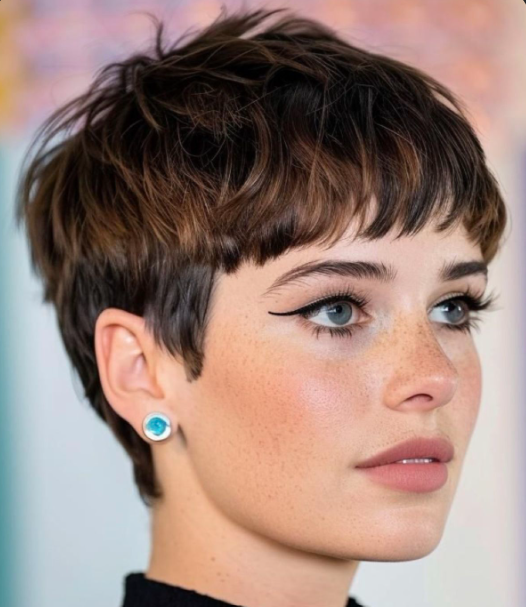
A short crop with bangs is a bold choice, but I’ve always admired how it frames the face. When I tried it, the bangs became the star—they added fullness where thin hair often lacks it.
I prefer soft, slightly wispy bangs rather than thick blunt ones. They’re easier to style and grow out better. In my experience, keeping bangs light prevents them from separating. If you’re craving something fresh and youthful, this cut feels intentional and stylish without trying too hard.
Maintenance and Hair Care Tips
Short hairstyles for thin straight hair need proper care to keep them looking fresh, healthy, and full of life. With the right trimming schedule, products, and daily habits, you can maintain volume and avoid flat, limp hair.
-
How often to trim short thin hair: Trim your hair every 4–6 weeks to maintain the shape and prevent thin ends from looking wispy.
-
Recommended shampoos and conditioners: Use lightweight, volumizing shampoos and conditioners that don’t weigh hair down or make it greasy.
-
Heat protection for straight hair: Always apply a heat protectant spray before using blow dryers or straighteners to prevent damage and breakage.
-
Preventing flatness throughout the day: Use a root-lifting spray or dry shampoo at the crown and avoid touching your hair too often to keep volume intact.

Hi, I’m Anna Spencer, A professional hairstylist based in North Carolina and the creator of Hairstyles for Life. With over a decade of hands-on salon experience, I’ve styled everything from everyday looks to runway-ready transformations. I started this website to share my passion for hair, offer expert tips, and help you feel confident in your personal style no matter your hair type or length. Whether you’re looking for quick tutorials, timeless trends, or honest product advice, you’ll find it all here.