
I still remember the first time a friend with pin-straight hair sat in my chair and sighed, “I want something cool… but not flat.” Honestly, I’ve heard that line more times than I can count. Straight hair can be gorgeous, but it can also feel a little meh when it refuses to hold shape or personality. That’s exactly where Shag Cuts For Straight Hair ideas come in.
If you’ve ever stared at your reflection thinking your hair looks fine but not fun, you’re not alone. Shag cuts have this effortless, lived-in vibe that somehow adds movement without trying too hard. And no, they’re not just for wavy or messy textures—straight hair can rock them beautifully (sometimes even better). In this guide, I’ll walk you through real, wearable shag ideas, what actually works, and what doesn’t. Think less styling stress, more “oh wow, this suits me.” Sounds good, right?
Shag Cuts For Straight Hair Ideas
Shag cuts are a great way to add movement and texture to straight hair without making it look flat or boring. With soft layers and an effortless vibe, these styles work for short, medium, and long straight hair.
Classic 70s Shag Cut

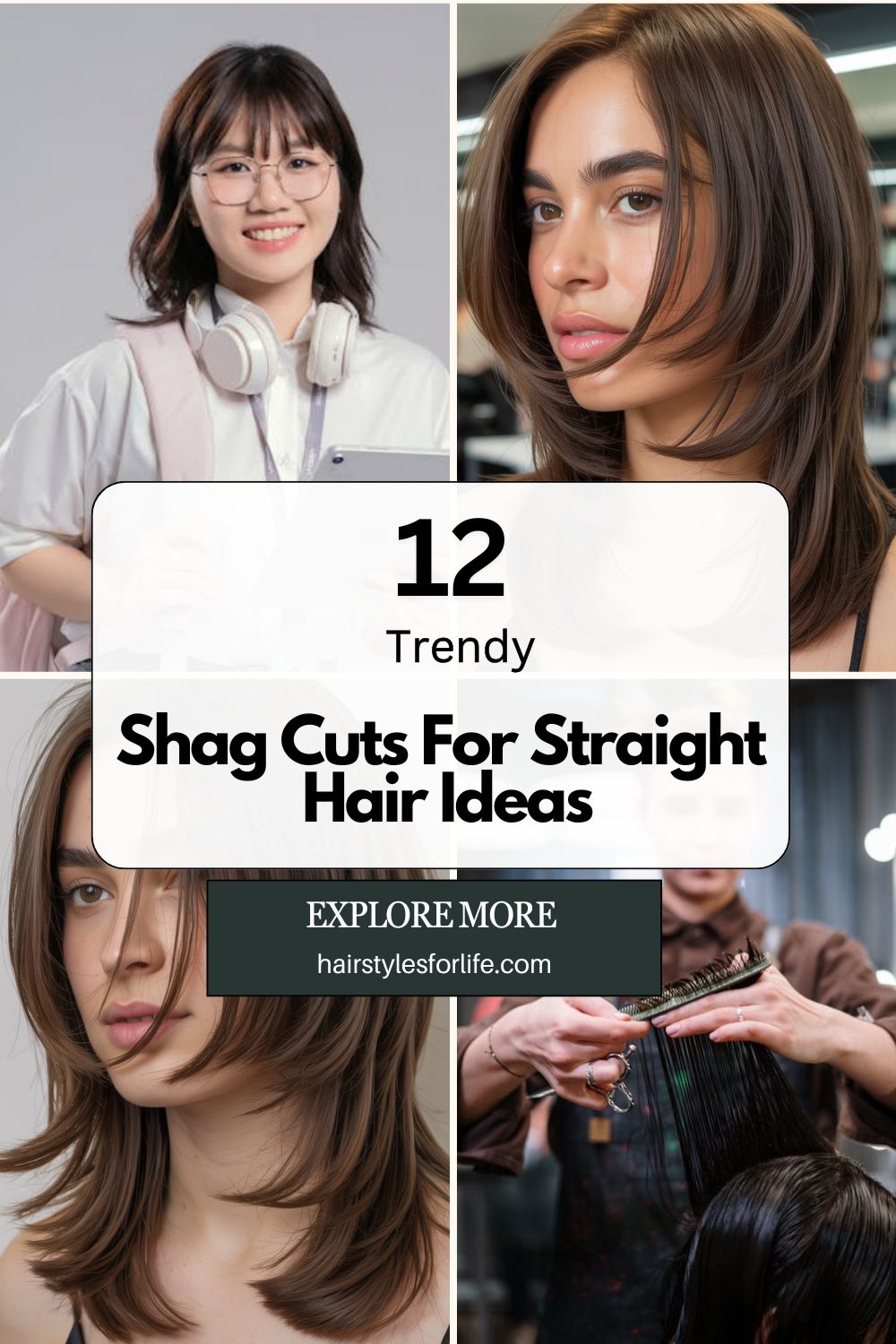
Honestly, the classic 70s shag is one of those cuts I keep coming back to on my models, even after all these years. Every time I do it, I’m reminded why it became iconic in the first place. On straight hair, it has this effortless, lived-in vibe that doesn’t try too hard. I’ve worked on models who walked in asking for something “cool but not trendy,” and this cut almost always clicks for them. It’s layered, yes, but not in a stiff way. I usually keep the crown a bit lighter and let the ends do their own thing. In my opinion, that’s where the magic is.
What I’ve found is that straight hair actually shows off this cut better than people expect. When I style it on set, I barely touch it—just a bit of rough drying and light texture. I always tell clients that the goal isn’t perfection. If it looks slightly messy, you’re doing it right. That’s the whole point of a true 70s shag.
Soft Layered Shag for Straight Hair
This is my go-to when a model wants a shag but feels nervous about going too bold. I get that hesitation all the time. A soft layered shag keeps things gentle while still adding movement to straight hair. I’ve done this cut for editorial shoots where we needed hair to look natural, almost undone, and it photographs beautifully. The layers are blended, not chopped, so everything flows. To be fair, it’s a safer entry point into shag territory.
When I’m working on this style, I focus more on shaping than drama. I’ve found that straight hair doesn’t need aggressive cutting to look interesting. A few well-placed layers can completely change how the hair falls around the face. I usually show the model how it moves when she turns her head, and that’s when they get it. It feels light, easy, and very wearable. Honestly, this cut makes people fall in love with layers again.
Short Shag Cut with Texture

Short shags are where I get to have the most fun, no question. On straight hair, adding texture is everything, otherwise it can look flat fast. I’ve had models sit in my chair saying they want short hair but still want personality. This is exactly what I give them. I keep the length playful and the layers intentional, especially around the crown. It’s edgy without trying to be rebellious, if that makes sense.
In my experience, the key is not over-styling it. I’ve styled this cut for runway looks where we barely used a brush. A little product, some finger styling, and done. I always tell people this cut works best when you let it breathe. Straight hair holds the shape beautifully, so you don’t need to fight it. If you like hair that looks cool even when you wake up late, this one delivers.
Medium-Length Shag with Wispy Layers
Medium-length shags are incredibly underrated, in my opinion. They sit right in that sweet spot where you get movement without committing to short hair. I’ve done this cut on models who wanted something fresh but still wanted to tie their hair back if needed. The wispy layers are what make it special. They soften straight hair and keep it from feeling heavy.
When I cut this style, I’m always thinking about how it’ll look in real life, not just under studio lights. I’ve found that lighter, feathery ends move better and don’t need constant styling. Sometimes I’ll have the model shake her head mid-cut just to see how the layers fall naturally. That tells me everything. This shag feels relaxed, modern, and very “you didn’t try too hard,” which honestly is the vibe most people want.
Long Shag Cut with Face-Framing Layers
Long shags are proof that layers don’t mean losing length. I hear that fear all the time. When I work on long straight hair, face-framing layers are my best friend. They add shape without sacrificing that length people are attached to. I’ve styled this cut for shoots where the model wanted drama but still wanted her hair to feel feminine and soft.
What I’ve learned is that face-framing pieces make straight hair come alive. They catch light, move when you walk, and actually show the cut. I usually keep the layers longer and blend them gradually. No harsh lines. When styled simply, this shag looks effortless. I always tell people this is the kind of haircut that grows out beautifully. You don’t feel stuck with it, and that’s a big win.
Modern Shag with Curtain Bangs
Curtain bangs and shags just belong together, honestly. When I pair them on straight hair, it instantly feels modern. I’ve done this cut on models who wanted bangs but didn’t want that heavy, blunt look. Curtain bangs give you flexibility. You can part them, pin them back, or let them fall naturally.
In my experience, this style works because it frames the face without overpowering it. I cut the bangs to blend into the rest of the shag, so nothing feels separate. Straight hair really shows the shape here, which I love. I’ve found that once people try curtain bangs with a shag, they rarely go back. It feels cool, wearable, and very now, without screaming “trend.”
Shaggy Bob for Straight Hair
The shaggy bob is one of those cuts that surprises people. They think bob equals polished, but this version is the opposite. I’ve styled shaggy bobs for models who wanted short hair with personality. The layers break up the structure, and straight hair makes the texture pop.
When I cut this style, I don’t chase symmetry too hard. I’ve learned that slight unevenness gives it character. On shoots, this bob always looks great from every angle, which isn’t easy to achieve. It’s playful, fresh, and honestly very low-maintenance. If you like bobs but hate stiffness, this is the one I’d pick every time.
Razor Cut Shag Style
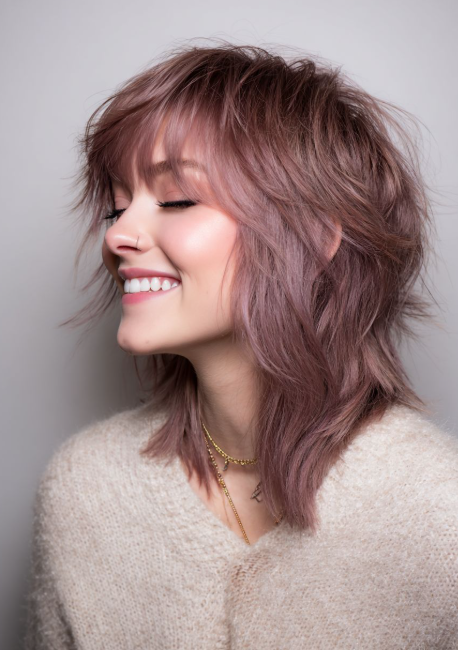
Razor cutting is something I personally love, especially for shags. On straight hair, it creates that airy, broken-in feel that scissors just can’t always give. I remember the first time I used a razor on a model with pin-straight hair, and the difference was immediate. The hair moved better, looked lighter, and felt more natural.
I’ve found that razor cut shags look best when you keep things loose. The ends don’t look blunt or heavy, which is perfect for straight textures. I usually warn models that it’ll feel different, but they end up loving it. In my opinion, this technique gives shags that cool, editorial edge without being overdone.
Minimal Shag for Fine Straight Hair
Fine straight hair needs a careful approach, and that’s where the minimal shag comes in. I’ve worked with so many models who wanted layers but were scared of losing volume. This style is all about restraint. Just enough layering to create movement, but not so much that the hair collapses.
What I’ve learned over time is that less really is more here. I focus on subtle shaping and light texture at the ends. When styled naturally, it gives fine hair a lift without obvious layers. I always say this shag is for people who want change but don’t want anyone saying, “Wow, that’s a big haircut.” It’s quiet, flattering, and very wearable.
Feathered Shag Cut
Feathered shags have a softness that I absolutely love on straight hair. Every time I do one, it reminds me how powerful gentle layering can be. The feathered effect keeps the hair light and flowing, especially around the face and ends. I’ve used this cut a lot for beauty shoots where movement matters.
In my experience, feathering works best when you don’t rush it. I take my time shaping the layers so they fall naturally. Straight hair shows every detail, so precision matters. The result always feels airy and timeless. Honestly, this is one of those shags that makes people say, “My hair just feels better,” and that’s always my favorite reaction.
Maintenance Tips for Shag Cuts on Straight Hair
A shag cut looks its best when the layers stay light and defined, especially on straight hair that can lose shape quickly. With a little regular care and the right habits, you can keep your shag looking fresh, effortless, and full of movement.
-
How often to trim: Get a trim every 6–8 weeks to maintain the layered shape and prevent the ends from looking flat or heavy.
-
Products to avoid on straight hair: Stay away from heavy creams, oils, or greasy serums, as they can weigh down layers and hide the shag texture.
-
Keeping the shag shape fresh: Use a light texturizing spray or dry shampoo at the roots to bring back volume and definition between washes.

Hi, I’m Anna Spencer, A professional hairstylist based in North Carolina and the creator of Hairstyles for Life. With over a decade of hands-on salon experience, I’ve styled everything from everyday looks to runway-ready transformations. I started this website to share my passion for hair, offer expert tips, and help you feel confident in your personal style no matter your hair type or length. Whether you’re looking for quick tutorials, timeless trends, or honest product advice, you’ll find it all here.