
I still remember sitting on my cousin’s bed the night before her wedding, surrounded by bobby pins, hair spray, and pure panic. Everyone had an opinion, of course. “Bun or braid?” “Fresh flowers or matha patti first?” And she just looked at me and said, “I want to look like myself… just bridal.” Honestly, that moment stuck with me.
That’s the real struggle with Pakistani Bridal Hairstyles, isn’t it? You want something traditional, but not dated. Glamorous, but not uncomfortable. And with so many events — mehndi, baraat, walima — how do you even choose?
If you’re feeling overwhelmed (totally normal, by the way), you’re in the right place. In this article, I’ll walk you through styles that actually work, what suits different dupatta drapes, and how to avoid those last-minute hair regrets. Because your wedding day hair shouldn’t be another stress — it should feel right.
Pakistani Bridal Hairstyles
Pakistani bridal hairstyles are all about blending tradition, elegance, and personal style to complete the bride’s wedding look. From classic floral buns to soft modern curls, the right hairstyle beautifully ties together the outfit, jewelry, and dupatta.

Classic Low Bun with Gajra

Honestly, this is one of those Pakistani bridal hairstyles I never get tired of doing. I’ve styled this look for brides who wanted something deeply traditional but still soft and elegant, and it never disappoints. A low bun sitting neatly at the nape with fresh gajra just feels emotional, almost nostalgic. In my opinion, this hairstyle works best when the bun isn’t overly tight—slightly soft edges make the whole look warmer and more bridal.
I’ve found that prepping the hair properly is everything here. Smooth the crown, keep flyaways minimal, and let the gajra do the talking. To be fair, you don’t need heavy accessories with this one—the flowers already create enough drama. I always tell my brides to match the gajra size with their dupatta border. Too big, and it overwhelms the look; too small, and it gets lost. When done right, this bun frames the face beautifully and looks stunning from every angle, especially during rukhsati photos.
Center-Parted Bridal Bun with Matha Patti
This style is a favorite of brides who love symmetry and a regal vibe. I’ve done this look countless times, and every single time, the matha patti steals the show. The clean center part instantly adds structure to the face, and paired with a sleek bun, it looks incredibly polished. In my experience, this hairstyle photographs amazingly, especially under soft lighting.
I usually tell brides not to overcomplicate this look. The bun should be smooth but not flat, and the center part needs to be sharp without looking harsh. Honestly, a little volume at the crown changes everything. If your hair is fine, padding is your best friend here—no shame in that. What I love most is how well this hairstyle supports heavy jewelry without competing with it. It’s calm, balanced, and confident. If you’re wearing a traditional red or deep maroon bridal outfit, this hairstyle just makes sense.
Traditional Long Bridal Braid with Flowers
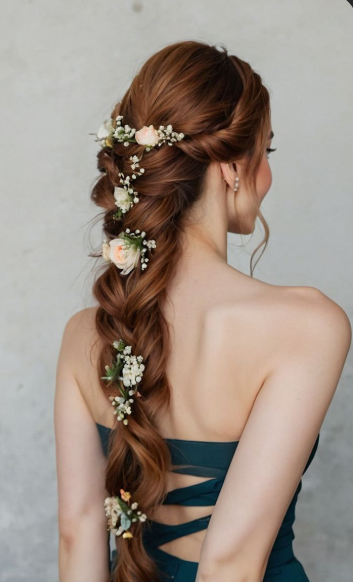
This one takes me back every time. There’s something so culturally rich about a long bridal braid decorated with flowers, and I still get brides asking for it specifically. I’ve found it works best for brides who want length to be the highlight rather than volume. The braid doesn’t need to be super tight; honestly, a slightly relaxed braid feels more modern and romantic.
I usually weave fresh flowers or small floral clusters throughout the braid instead of just at the end. It adds movement and keeps the braid visually interesting from top to bottom. To be fair, this style needs strong prep—smooth roots, controlled frizz, and good hold products. I always remind brides to think about their dupatta placement too. A side or back drape shows the braid beautifully, while a fully covered head hides all the effort. When styled right, this braid feels timeless and deeply Pakistani in the best way.
Soft Open Curls with Dupatta
Open hair on a Pakistani bride can be risky, but when done right, it’s breathtaking. I’ve styled this look for brides who wanted something soft, romantic, and less traditional, and honestly, it suits certain personalities perfectly. The key is controlled curls—nothing too bouncy or stiff. I prefer soft, brushed-out curls that fall naturally.
In my opinion, the dupatta placement makes or breaks this hairstyle. I usually pin the dupatta carefully so it frames the face without crushing the curls. You need good heat protection and a flexible hold spray so the hair still moves. I’ve learned the hard way that overloading products kills the softness. This look works beautifully with lighter jewelry and pastel outfits. If you’re someone who wants to feel like yourself on your wedding day, not overly “done,” this hairstyle gives that effortless bridal glow without trying too hard.
Side Bun with Jhoomar
This is such a powerful bridal look, and honestly, I love how dramatic it feels without being loud. A side bun paired with a jhoomar creates instant balance, especially for brides wearing heavily embellished outfits. I’ve found this style works best when the bun is slightly loose and textured rather than slick.
I usually position the bun low and to the opposite side of the jhoomar so the face looks open. To be fair, this hairstyle needs careful planning with jewelry. The jhoomar should sit comfortably, not too forward, or it can overpower the face. I always add soft tendrils around the face for that romantic softness. This look feels confident, traditional, and slightly bold. If you want something classic but not predictable, this side bun is one of those Pakistani bridal hairstyles that always leaves an impression.
Braided Bridal Bun

This is for brides who love detail. I’ve done braided buns in so many variations, and no two ever look the same. Honestly, that’s what I enjoy most about this style. The braids add texture, depth, and a handcrafted feel that plain buns sometimes lack.
I usually create soft braids first and then wrap them into a bun, rather than braiding after the bun is formed. It gives better structure and lasts longer. In my experience, this hairstyle works beautifully with minimal flowers or delicate pins. You don’t need to overload it. To be fair, this style takes time, so I always plan extra minutes for it on the wedding day. If you want something elegant but slightly different from the usual bridal bun, this is a lovely middle ground that still feels very Pakistani and very bridal.
Half-Up Half-Down Bridal Waves
This style is such a hit with younger brides, and I completely get why. It gives you the best of both worlds—some structure, some freedom. I’ve found it works especially well for mehndi or barat events where the vibe is festive but not overly formal.
I usually add volume at the crown and keep the waves soft and flowing. Honestly, stiff curls ruin this look, so I always go lighter on the hold. The half-up section can be twisted or lightly braided, depending on how dressed-up the bride wants to feel. In my opinion, this hairstyle looks best with smaller jewelry and a lighter dupatta. It feels youthful, fresh, and relaxed. If you want a bridal hairstyle that doesn’t feel heavy on your head but still looks styled, this one is a beautiful option.
Sleek High Bridal Bun
This hairstyle is all about confidence. I’ve noticed brides who choose a high bun usually know exactly what they want. The sleek finish lifts the face and shows off the jawline beautifully. Honestly, it’s one of the best styles for heavy necklaces and bold makeup.
I always make sure the bun isn’t too tight—comfort matters more than perfection. To be fair, a high bun demands clean work. Every section needs to be smooth, and flyaways need control. I usually recommend strong hold products but applied sparingly. This look works incredibly well with modern bridal outfits or fusion looks. If you’re a bride who loves sharp, clean aesthetics and wants something powerful yet elegant, this high bun delivers that polished bridal impact effortlessly.
Romantic Loose Curls with Middle Part
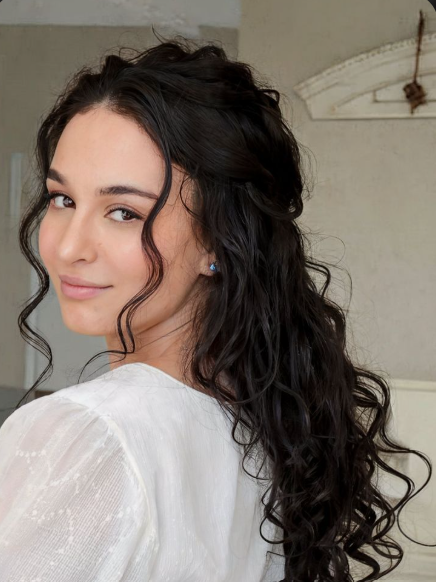
This style feels soft, emotional, and very bridal in a subtle way. I’ve styled this for brides who wanted romance without going fully traditional. The middle part keeps it balanced, while loose curls add movement and softness.
I’ve found that face-framing pieces make a huge difference here. They soften the look and highlight the bride’s features beautifully. Honestly, this hairstyle needs good hair health—dry or frizzy ends will show. I always prep with nourishing products before styling. The dupatta should be pinned lightly so the curls still flow. In my opinion, this look pairs best with delicate jewelry and natural makeup. It’s calm, graceful, and perfect if you want to feel dreamy and feminine on your big day.
Textured Low Bun with Pearl Pins
This is one of my personal favorites to style. A textured low bun already looks elegant, but adding pearl pins takes it to another level. I love how pearls catch the light without overpowering the hairstyle.
I usually create texture first—soft waves, light teasing—and then form the bun loosely. Honestly, perfection isn’t the goal here. A little messiness makes it more bridal. I place pearl pins asymmetrically because it looks more natural and modern. To be fair, this hairstyle works best with softer outfits and pastel tones. It feels refined, romantic, and quietly luxurious. If you want a Pakistani bridal hairstyle that’s elegant without being heavy or traditional in an obvious way, this textured bun is such a beautiful choice.
Hair Prep Tips Before the Wedding
Getting your hair wedding-ready takes more than just styling on the big day—it’s all about prep. I’ve seen time and again how a simple, planned hair routine can make any bridal hairstyle look fuller, healthier, and hold better through long ceremonies and celebrations.
-
Hair care routine before the big day
Start a gentle hair care routine at least 2–3 months before the wedding. Regular oiling, deep conditioning, and avoiding excessive heat styling help improve texture and shine, making styling much easier on the wedding day. -
Trimming and treatments timeline
Schedule trims and major treatments (like smoothening or color touch-ups) at least 4–6 weeks before the wedding. This gives your hair time to settle naturally and avoids any surprises close to the event. -
Avoiding last-minute hair experiments
Never try a new haircut, color, or treatment just days before the wedding. Last-minute changes often lead to stress and regret—sticking to what you know works best is always safer. -
Importance of hair trials
Hair trials are a must for brides. They help you see how a hairstyle looks with your outfit, jewelry, and dupatta, and ensure your chosen style stays comfortable and secure for long hours.

Hi, I’m Anna Spencer, A professional hairstylist based in North Carolina and the creator of Hairstyles for Life. With over a decade of hands-on salon experience, I’ve styled everything from everyday looks to runway-ready transformations. I started this website to share my passion for hair, offer expert tips, and help you feel confident in your personal style no matter your hair type or length. Whether you’re looking for quick tutorials, timeless trends, or honest product advice, you’ll find it all here.