I still remember one of those rushed mornings when I was already late, coffee in one hand, hairbrush in the other, staring at the mirror like, why is my hair refusing to cooperate today? That’s when I tied a low ponytail—and honestly, it saved the day. No drama. No stress. Just simple, put-together hair that somehow looked intentional. If you’ve ever felt bored with fancy styles or tired of high ponytails pulling at your scalp, you’re not alone. Low Ponytail Hairstyles Ideas are kind of the quiet heroes of everyday hair, aren’t they? They work for bad hair days, long work hours, weddings, school runs… basically life. And the best part? They’re easy, comfortable, and way more versatile than people give them credit for. In this article, I’ll walk you through Low Ponytail Hairstyles Ideas that actually work in real life—not just on Instagram. Little tweaks, styling tricks, and inspiration you can actually use. Because your hair shouldn’t feel like another problem to solve.
Low Ponytail Hairstyles Ideas
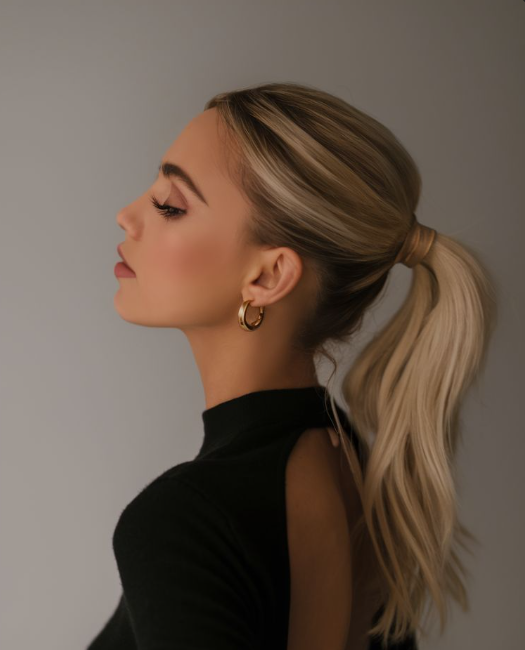
Low ponytail hairstyles are simple, classy, and perfect for days when you want an effortless yet polished look. From sleek styles to soft, messy vibes, low ponytails work for every occasion and hair type.
Honestly, this is the style I come back to when I want zero drama and maximum polish on my models. I’ve done this low ponytail backstage, for office shoots, even for bridesmaids who swore they didn’t want anything “too simple.” Funny thing is, once I smooth everything down and secure it cleanly at the nape, they usually change their mind. There’s something powerful about how neat it looks. In my opinion, it works best when the hair is freshly blow-dried and slightly flat-ironed. I always tell my models not to fight flyaways too much—perfection looks boring on camera.
When I’m doing it, I part the hair naturally, apply a tiny bit of serum (less than you think), and brush everything back slowly. I’ve found that using a soft bristle brush makes a big difference. Secure it low, wrap a strand around the elastic, and that’s it. Simple, confident, and very intentional.
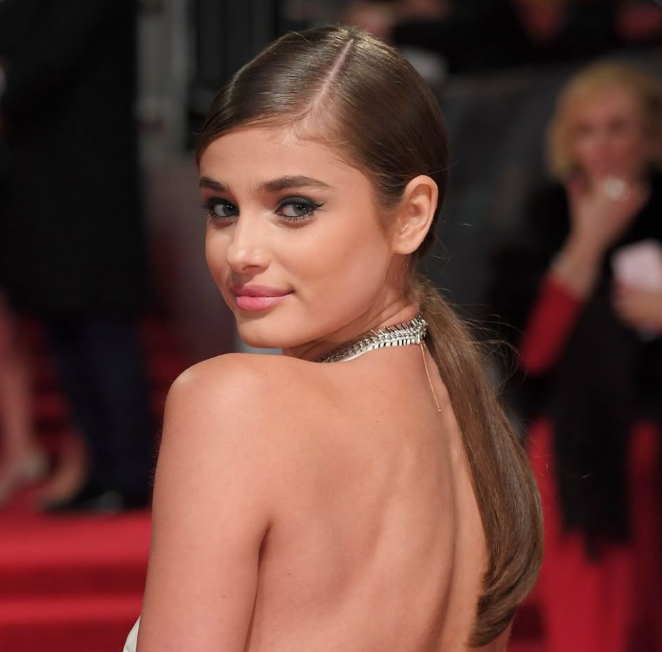
Low Ponytail with Middle Part
To be fair, I didn’t love middle parts early in my career. They felt too harsh. But after styling dozens of models with different face shapes, I’ve changed my mind. A low ponytail with a middle part can look incredibly balanced and modern when done right. I usually suggest this look for clean editorial shoots or minimalist outfits. It frames the face evenly, which I’ve found works beautifully on camera, especially under soft lighting.
When I style this, I take extra time creating a clean center part. No rushing here. I smooth the hair down toward the nape, keeping everything tight but not stiff. Sometimes I leave a few tiny baby hairs loose because, honestly, real hair moves. Secure it low, adjust the tension, and check symmetry. It’s not loud or dramatic, but it quietly steals attention when styled with intention.
This one feels a little flirty, a little relaxed—and I love that about it. I’ve used side-part low ponytails on models who want something soft but still styled. It adds instant personality without doing much. In my experience, this works great for events where the look needs movement but not chaos. The side part creates natural volume on one side, which photographs really well.
I usually create a deep or soft side part depending on the mood. Then I gently brush everything back, letting the heavier side fall naturally. Don’t overthink it. Secure the ponytail low and tug lightly at the crown for softness. I’ve found that perfection ruins this look. A little imbalance makes it feel real, wearable, and effortless—which is exactly why clients keep asking for it again.
Messy Low Ponytail
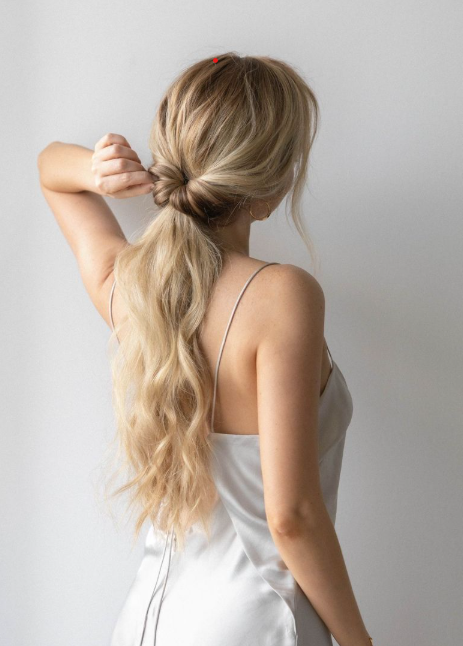
This style looks careless, but honestly, it takes some thought. I’ve done messy low ponytails on models for casual shoots, travel looks, and even engagement sessions. The trick is knowing when to stop. Too neat and it loses charm. Too messy and it looks unfinished. I always start by loosely gathering the hair at the nape without brushing too much.
Once it’s tied, I pull out small sections around the face and crown. I react to how the hair falls rather than forcing it. Sometimes I even redo it because the “wrong” messy feels wrong immediately. In my opinion, texture spray is your best friend here. Let the hair breathe. It’s imperfect, relaxed, and very human—which is exactly why it works.
I’ve found that adding soft waves before tying a low ponytail instantly upgrades the look. This is my go-to for romantic shoots or soft glam moments. Waves add dimension, so the ponytail doesn’t feel flat or boring. I usually curl the hair loosely first, never too tight, because I want movement, not ringlets.
After curling, I gently finger-comb the waves and then gather the hair low. I don’t brush it again—ever. Secure it softly and pull out a few pieces. The waves should look like they just happened, not like they were planned for hours. Honestly, this style makes even simple outfits feel special, and models always love how natural it feels on them.
Low Ponytail with Face-Framing Layers
This one is close to my heart because face-framing layers can change everything. I’ve seen models light up when they see how flattering this looks. A low ponytail can sometimes feel too pulled back, but those soft pieces around the face add warmth and balance. In my opinion, this is one of the most wearable versions of a low ponytail.
When I style it, I intentionally leave the front sections out first. Then I tie the ponytail low and style those pieces last. Sometimes I curl them, sometimes I leave them straight—it depends on the mood. I’ve found this style works beautifully for everyday shoots and formal looks alike. It feels gentle, thoughtful, and very real.
Low Braided Ponytail
I didn’t expect this style to become such a favorite, but here we are. A low braided ponytail adds interest without feeling heavy. I’ve used it on models when the outfit is simple and the hair needs to do a bit more talking. It’s structured but still soft, which I really like.
I usually start by tying a low ponytail and then braiding it loosely. Tight braids feel stiff, so I always loosen it after. Pull the braid apart slightly and let it relax. Sometimes I leave a few strands out at the top. Honestly, it feels creative without being complicated, and it photographs beautifully from every angle.
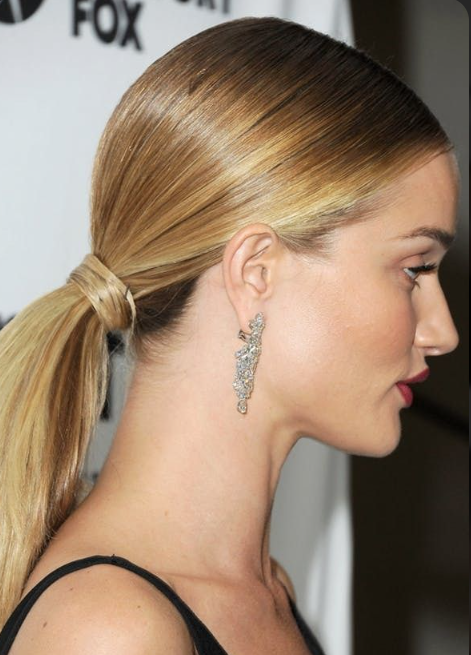
This is one of those small details that makes people stop and look twice. Wrapping hair around the elastic instantly makes a low ponytail feel finished. I’ve done this on models when accessories weren’t an option, and it always works. In my opinion, it’s the easiest way to elevate a basic style.
After tying the ponytail low, I take a small section from underneath and wrap it around the base. Secure it with a pin and hide it well. I’ve found that slightly texturized hair holds better than super-smooth hair. It’s subtle, clean, and very intentional—exactly the kind of detail I love adding as a stylist.
Low Ponytail with Ribbon
Ribbons bring a softness that nothing else does. I started using them more during lifestyle shoots, and now I’m obsessed. A low ponytail with a ribbon feels gentle, romantic, and slightly nostalgic. Models often smile the moment they see it, which tells me everything.
I tie the ponytail low first, then add the ribbon on top or underneath depending on the look. I don’t over-style the hair here. Let it stay natural. In my experience, the ribbon should feel like an accent, not the main character. It’s sweet without trying too hard, and that’s what makes it special.
Voluminous Low Ponytail
Volume changes everything. A voluminous low ponytail feels bold, confident, and slightly glamorous. I use this style when I want the hair to stand out without going high. The key, honestly, is building volume before tying the ponytail.
I tease lightly at the crown, smooth the top just enough, and then secure the ponytail low. After that, I gently pull sections to add fullness. I react as I go—some hair needs more encouragement than others. In my opinion, this style works best when it doesn’t look forced. Big, soft, and confident—that’s the goal every time.
Maintenance & Hair Care Tips
Keeping a low ponytail looking neat and healthy takes a little regular care. With the right habits, you can avoid flat roots, reduce damage, and keep your hair smooth and shiny every day.
How to avoid flat roots Add volume at the crown before tying your ponytail. Light teasing, a quick blow-dry at the roots, or a volumizing spray can make a big difference.
Preventing hair breakage Avoid tying your ponytail too tight and switch up the position often. Use soft, fabric-covered hair ties instead of rubber bands.
Products to use and avoid Use lightweight serums, leave-in conditioners, and texture sprays. Avoid heavy creams, oils, or gels that can make hair look flat and greasy.
Night care tips for smooth hair Sleep on a satin or silk pillowcase and loosely tie your hair in a low braid or ponytail. This helps reduce frizz, tangles, and breakage overnight.
FAQ
Is a low ponytail suitable for all hair types? Yes, low ponytails work well for straight, wavy, curly, thick, and even fine hair. You just need to adjust the styling for volume or smoothness.
Can I wear a low ponytail every day? You can, as long as you don’t tie it too tight every time. Using soft hair ties and changing the parting helps prevent damage.
How can I make my low ponytail look fuller? Add volume at the crown, use a texturizing spray, or gently tease the hair before tying it. Face-framing layers also help.
Are low ponytails good for formal events? Absolutely. A sleek low ponytail or one with soft waves looks elegant and works well for weddings, parties, and office events.
Hi, I’m Anna Spencer, A professional hairstylist based in North Carolina and the creator of Hairstyles for Life. With over a decade of hands-on salon experience, I’ve styled everything from everyday looks to runway-ready transformations. I started this website to share my passion for hair, offer expert tips, and help you feel confident in your personal style no matter your hair type or length. Whether you’re looking for quick tutorials, timeless trends, or honest product advice, you’ll find it all here.