
I still remember the first time I sat between someone’s knees for Black African braided hairstyles—hours passed, hands moved fast, and stories flowed even faster. It wasn’t just about hair. It was comfort, culture, and patience all wrapped together. If you’ve ever stared at your reflection wondering which braid will actually suit your face, your lifestyle, or your mood right now, trust me, you’re not alone. Braids can feel overwhelming sometimes. Too long? Too tight? Too much upkeep? Yeah… I’ve been there.
That’s exactly why this guide exists. Whether you’re craving something bold, protective, low-maintenance, or just different, you’ll find styles here that actually make sense for real life. No pressure. No perfection. Just honest ideas, helpful tips, and inspiration that respects where these styles come from—and how powerful they can feel when you wear them. Ready to fall back in love with braids again? Let’s get into it.
Black African Braided Hairstyles
Black African braided hairstyles are more than just a look—they’re a beautiful mix of culture, creativity, and self-expression. From classic cornrows to modern protective styles, braids offer timeless beauty with real-life practicality.
Box Braids
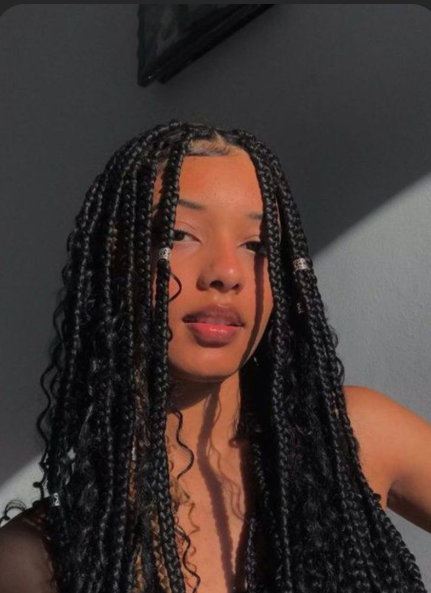
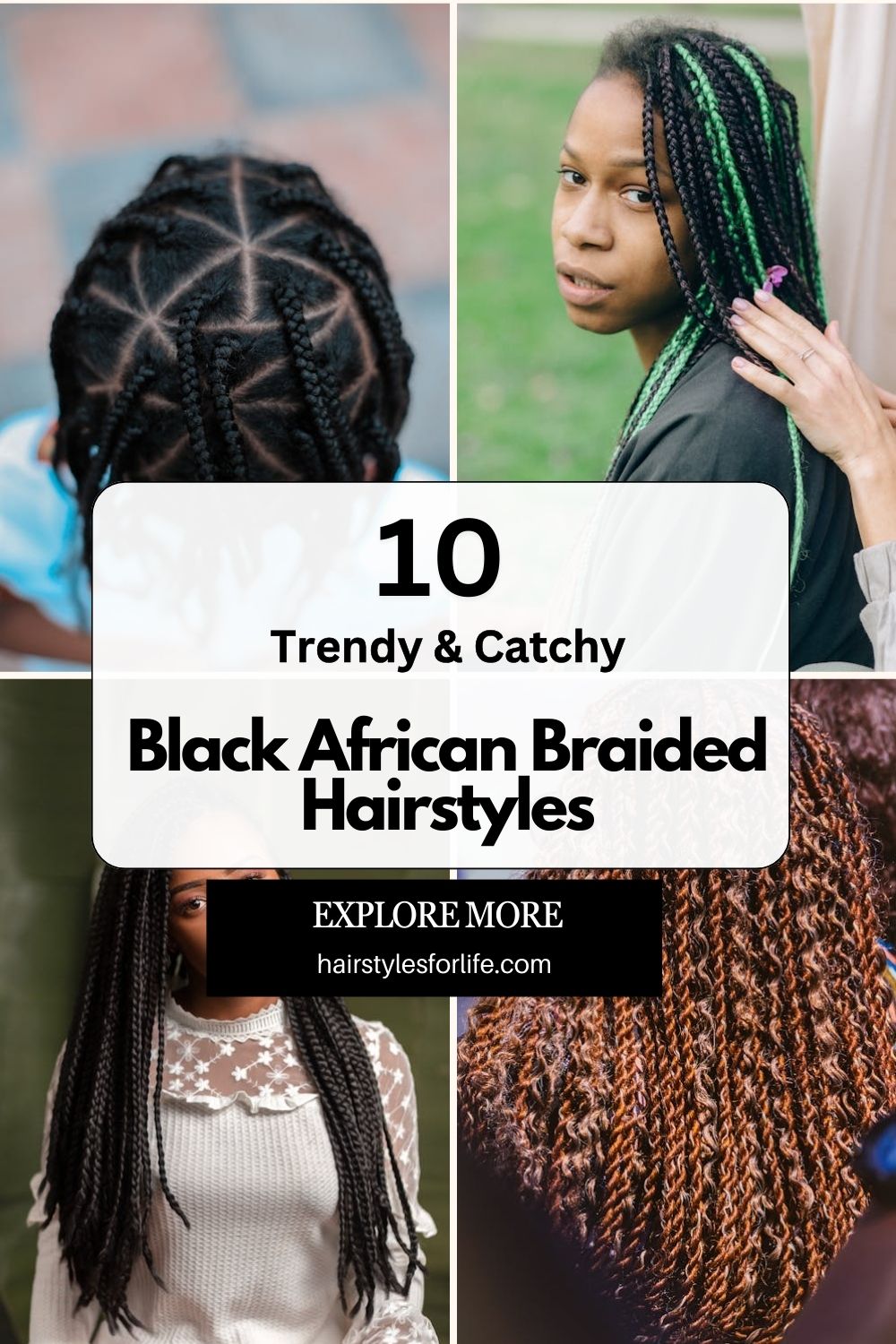
Box braids are honestly where I send people first when they ask me about protective styles. I still remember the first time I sat for box braids—hours went by, my neck was sore, but the moment I looked in the mirror, I got it. In my opinion, box braids give you freedom. You can wear them up, down, messy, neat, and they still look intentional. I’ve found they’re perfect if you want a long-lasting style that doesn’t need daily fussing but still looks polished.
If you’re doing box braids yourself, patience is everything. Clean, stretched hair makes a huge difference, and sectioning neatly saves you later stress. Don’t braid too tight at the roots—learn from my mistakes here. Your scalp should never hurt for days. Moisturize your hair before braiding, seal the ends, and wrap at night. To be fair, maintenance is boring, but it’s the reason your braids still look good weeks later.
Cornrows
Cornrows feel personal to me. They’re classic, cultural, and quietly powerful. I grew up seeing cornrows everywhere—school days, weddings, lazy weekends—and they never felt outdated. What I love most is how close they sit to the scalp. In my opinion, cornrows show skill more than length or fancy patterns. Clean lines just hit different.
If you want to try cornrows yourself, start simple. Straight-back styles are forgiving and help you understand hand placement. I’ve found that keeping your fingers close to the scalp gives better control. Use a light oil or butter so your fingers glide easily, and don’t rush the parts. Cornrows need regular scalp care, especially if you keep them in for weeks. A quick oil massage every few days keeps flakes away and makes the style last longer.
Senegalese Twists
Senegalese twists always feel a little glamorous to me. They’re smooth, shiny, and have this effortless elegance I really admire. The first time I wore them, I couldn’t stop touching them—honestly, they just feel nice. Compared to other twists, they look more polished, which makes them great if you want something protective but still sleek.
When doing Senegalese twists, tension control matters a lot. I’ve found that over-twisting makes them stiff and uncomfortable. You want them firm but flexible. Start with well-moisturized hair, and twist evenly from root to tip. Don’t skip sealing the ends—hot water or a proper knot keeps them neat. In my opinion, they age beautifully when cared for, especially if you wrap them at night and avoid heavy products.
Ghana Braids
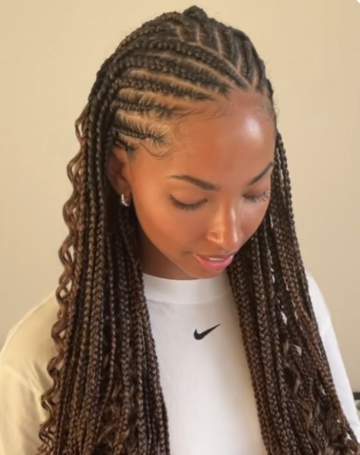
Ghana braids are bold, and I love that about them. They’re thicker than cornrows and make a statement without trying too hard. Every time I do Ghana braids, I feel like my face just pops more. They frame the head beautifully and work well with creative patterns. To be fair, they’re not for people who want subtle.
If you’re trying Ghana braids, prep is key. Stretching your hair first makes braiding smoother and cleaner. I’ve found that adding hair gradually helps avoid bulky roots. These braids do best when the scalp is clean and lightly oiled. Because they’re bigger, they don’t last as long as tiny braids, but regular wrapping and edge care help. In my opinion, Ghana braids are perfect when you want impact without committing to tiny sections.
Fulani Braids
Fulani braids always feel artistic to me. There’s something about the combination of cornrows, loose braids, and accessories that feels expressive and proud. The first time I styled them with beads, I couldn’t stop smiling. They’re not just a hairstyle; they tell a story.
To do Fulani braids, you need a plan before you start. Decide where your cornrows will sit and how many loose braids you want. I’ve found that symmetry makes a big difference here. Accessories should feel intentional, not random. Keep your scalp moisturized because this style often exposes parts more than others. In my opinion, Fulani braids are perfect if you want a traditional look with room to personalize it.
Knotless Braids
Knotless braids changed the game for me. The first time I wore them, my scalp felt… calm. No pulling, no tension headache, just comfort. In my opinion, they look more natural than traditional box braids, especially around the hairline. They also move better, which I didn’t realize mattered so much until I tried them.
If you’re doing knotless braids, take your time adding hair gradually. Rushing this step ruins the whole look. I’ve found that using smaller amounts of extension hair at first helps keep the roots flat. Because there’s less tension, they need extra care to avoid slipping. Keep your hair moisturized, avoid heavy oils at the roots, and wrap at night. Honestly, once you try knotless braids, it’s hard to go back.
Crochet Braids
Crochet braids are my go-to when I want a break but don’t want to sit for hours. I still remember how shocked I was the first time—done in a fraction of the time, and still looked good. To be fair, they don’t always look as natural up close, but the convenience is unmatched.
If you’re doing crochet braids, start with neat cornrows underneath. That foundation decides everything. I’ve found that looser crochet hair blends better and feels lighter. Be gentle when looping the hair to avoid tension on your scalp. Moisturize your real hair underneath regularly, even if you can’t see it. In my opinion, crochet braids are perfect for protective styling beginners or anyone short on time.
Tribal Braids
Tribal braids feel powerful to me. They’re bold, detailed, and unapologetic. Every time I wear them, I get compliments, but more importantly, I feel confident. They’re similar to Fulani braids but often more dramatic, with thicker parts and statement accessories.
Doing tribal braids takes patience and creativity. I’ve found that mapping the scalp first saves frustration later. These styles usually mix sizes, so consistency matters. Don’t overload the hair with beads—less really is more. Because tribal braids often expose the scalp, oiling regularly is non-negotiable. In my opinion, this style is for people who want their hair to speak before they do.
Micro Braids
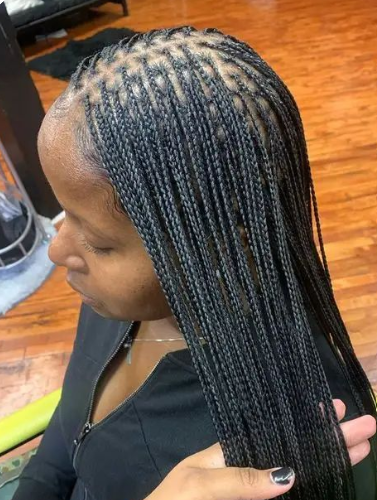
Micro braids are not for the weak, honestly. They take forever, but the results can be incredible. The first time I finished a full head, I was exhausted but proud. They’re lightweight, flexible, and incredibly versatile. You can style them endlessly, which I love.
If you’re attempting micro braids, break the process into days. I’ve found that rushing leads to uneven sections and sore fingers. Use small, consistent parts and don’t braid too tight. Because they’re tiny, moisture escapes faster, so regular hydration is key. In my opinion, micro braids are worth it if you’re committed to maintenance and patience.
Halo Braids
Halo braids feel soft and romantic to me. They’re one of those styles that look simple but actually take skill to pull off cleanly. The first time I wore one, I felt put together without trying too hard. It’s a great option when you want something protective but elegant.
To create a halo braid, start with stretched hair for smoother results. I’ve found that practicing your cornrow direction helps avoid awkward bumps. Keep the braid loose enough to avoid tension, especially around the edges. A little edge control goes a long way here. In my opinion, halo braids are perfect for events, casual days, or anytime you want a timeless look without committing to a full braided head.
Maintenance and Care Tips for Braided Hairstyles
Braided hairstyles are beautiful and super convenient, but they still need a little love to stay neat and healthy. I’ve learned that good maintenance not only keeps braids looking fresh but also protects your natural hair underneath. With the right care routine, your braids can last longer and your scalp will stay happy too.
Scalp Care and Cleansing
-
Keep your scalp clean to avoid itchiness and buildup.
-
Use a diluted shampoo or a gentle scalp cleanser once every 1–2 weeks.
-
Focus on the scalp, not the length of the braids, while washing.
-
Gently massage with your fingertips and rinse well to prevent residue.
Moisturizing Braids
-
Moisturize regularly to prevent dryness and breakage.
-
Use lightweight oils or leave-in sprays to keep braids soft and shiny.
-
Apply moisture to both the scalp and the length of the braids.
-
Avoid heavy products that can cause buildup and dull-looking braids.
How Long to Keep Braids In
-
Most braided styles should be kept in for 6–8 weeks.
-
Leaving braids in too long can lead to tangling and hair breakage.
-
If your scalp feels sore, itchy, or your edges start thinning, it’s time to remove them.
-
Give your hair a break between braided styles to stay healthy.
Protecting Braids While Sleeping
-
Always cover your braids with a satin or silk scarf before bed.
-
Use a satin pillowcase to reduce friction and frizz.
-
Gently tie braids into a loose bun or ponytail to avoid tension.
-
This simple step helps maintain neatness and prevents unnecessary breakage.

Hi, I’m Anna Spencer, A professional hairstylist based in North Carolina and the creator of Hairstyles for Life. With over a decade of hands-on salon experience, I’ve styled everything from everyday looks to runway-ready transformations. I started this website to share my passion for hair, offer expert tips, and help you feel confident in your personal style no matter your hair type or length. Whether you’re looking for quick tutorials, timeless trends, or honest product advice, you’ll find it all here.