
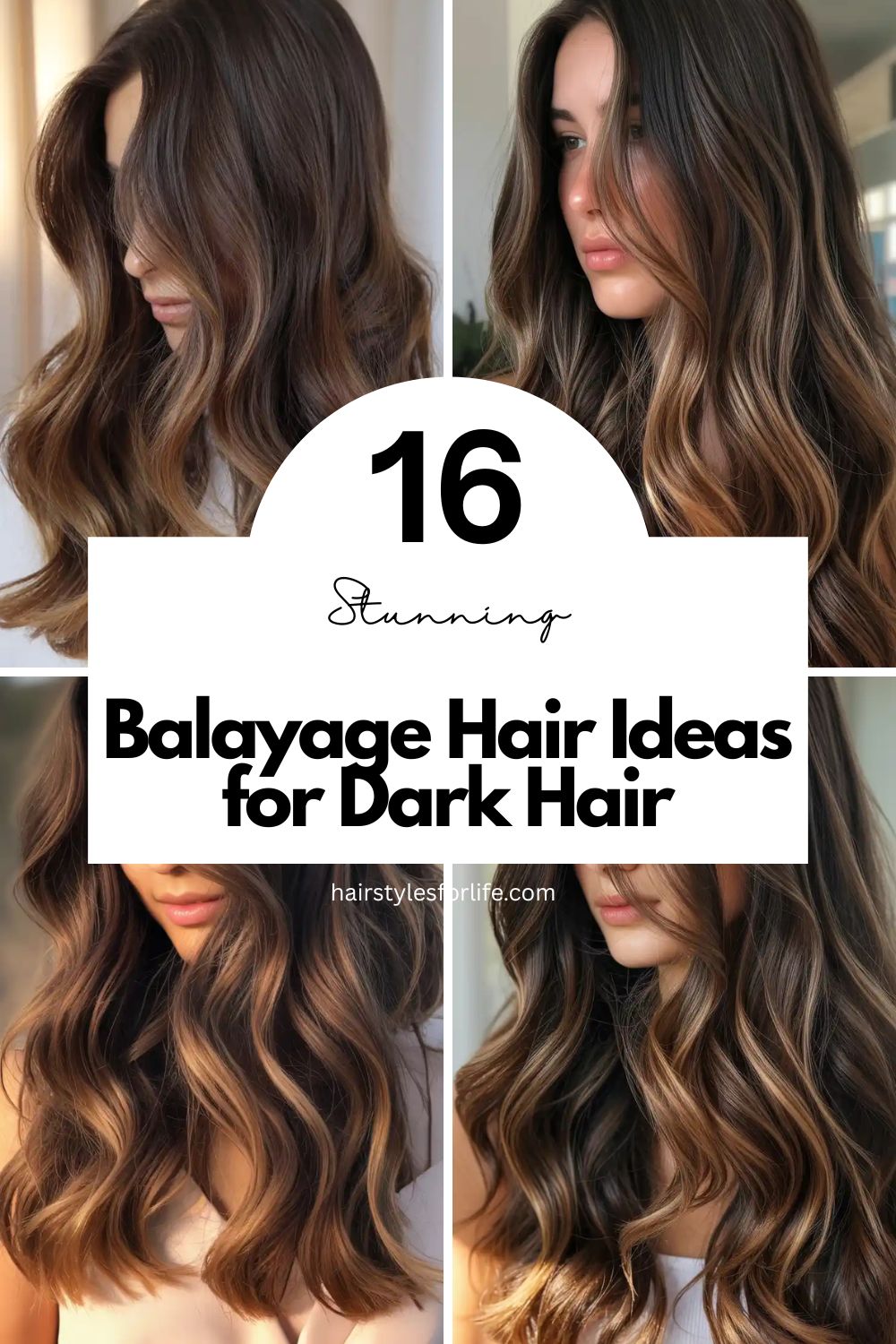
I still remember the first time I tried balayage on my dark hair — I walked into the salon nervous, clutching a dozen screenshots, wondering if my black-brown strands would even show any color. If you’ve felt that same mix of excitement and confusion, trust me, you’re not alone. Dark hair can be tricky, and choosing the right balayage look sometimes feels like scrolling endlessly through “maybe” options.
But here’s the good part: once you find the right shade and placement, balayage on dark hair looks absolutely magical — soft, dimensional, and totally effortless. And that’s exactly what this guide will help you with. I’ll walk you through balayage hair ideas for dark hair that actually work, whether you want something bold, subtle, or somewhere in between. So take a breath, grab your coffee, and let’s figure out the perfect glow-up for your gorgeous dark strands.
Balayage Hair Ideas for Dark Hair
Balayage on dark hair adds soft, natural-looking dimension without harsh lines or heavy upkeep. It’s the perfect way to brighten your look while still keeping your rich, dark base beautifully intact.
Caramel Balayage
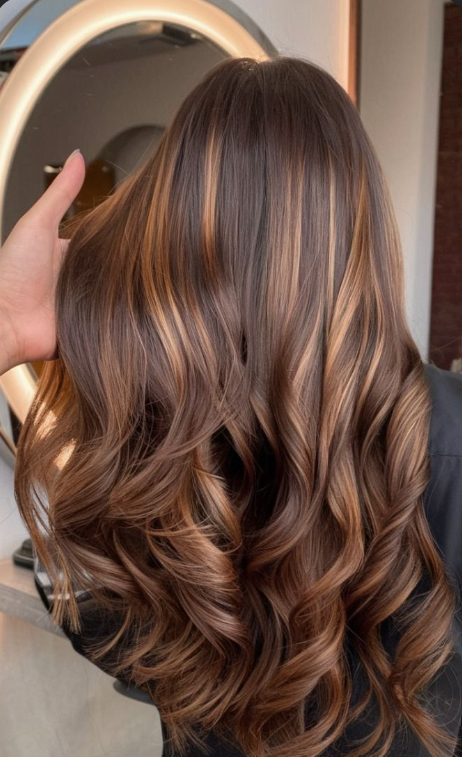
Caramel balayage is one of those shades I reach for when I want a dark-haired client to walk out looking like she just came back from a sunny vacation. Honestly, every time I paint those warm caramel ribbons, I’m reminded of my first salon model who gasped at her reflection because it was the first time she saw dimension in her hair. I’ve found that caramel sits beautifully on brunettes without shouting for attention — it’s warm, soft, and very “effortlessly pretty,” if that makes sense.
To be fair, caramel works for almost anyone who wants brightness but not the full blonde commitment. When I blend it into the mids and ends, it moves with the light so naturally that people always assume it’s their real hair color. If you ever try this at home, keep it subtle — feather the color, don’t block it. Trust me, softness is what makes caramel magical.
Honey Brown Balayage
Honey brown balayage always feels like a cozy hug to me — warm, sweet, but not too loud. I once did this shade on a client who told me she wanted “sunshine, but make it moody,” and honestly, honey brown nailed it. The trick I’ve found is to keep the honey tones soft enough so they melt into the natural dark base, not fight with it. That’s the moment when everything just clicks.
In my opinion, honey brown is perfect for anyone who finds caramel too warm and ash too cool. It adds this gentle radiance that makes dark hair look alive without changing who you are. When I’m painting honey brown, I like to stretch the highlight pieces a little longer — it gives this elongated, flowing effect that reminds me of long summer evenings. You can totally recreate this by keeping your brush strokes light and your placement diagonal.
Ash Brown Balayage
Ash brown balayage has such a calming vibe — cool, smoky, and clean. I still remember doing it on a model who insisted she could “never pull off cool tones,” and then suddenly she couldn’t stop touching her hair after we finished. Honestly, ash brown on dark hair is underrated. It tones down warmth, adds sophistication, and gives that muted chic look that photographs beautifully.
To be fair, ash brown does require a slightly lighter lift, so patience is your best friend. I love painting ash tones in fine, whispery strokes because it keeps the look natural and not streaky. When you try this yourself, focus on blending — like, blend until your wrist complains a little. Ash tones don’t like harsh lines. They look best when they flow, almost like cigarette smoke drifting into the air.
Chocolate Melt Balayage
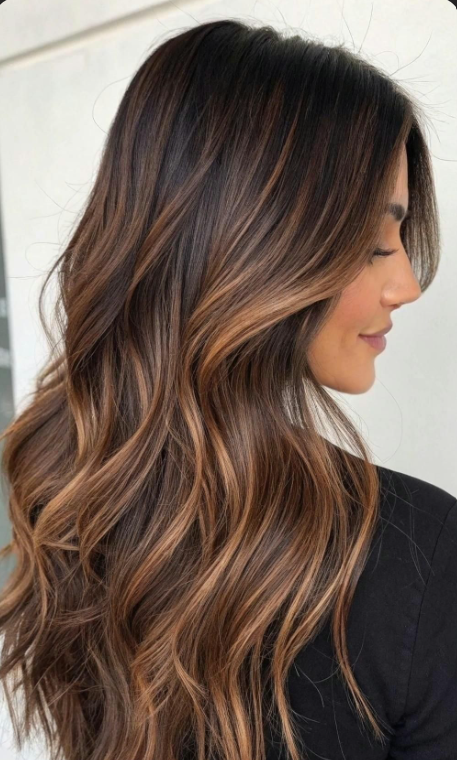
Chocolate melt balayage is my comfort zone — it’s rich, smooth, and honestly so delicious-looking that I’ve accidentally called it “edible” during appointments. It’s the shade I turn to when someone wants change but doesn’t want anyone to know they changed something. The mix of dark chocolate roots and milkier chocolate mids looks like swirling cocoa in warm milk. I’ve found that clients with darker hair love this because it respects their natural tone.
In my opinion, the magic of chocolate melt lies completely in the blend. You can’t rush it. I like dragging the brush down in long, slow motions to make it look like the lighter tones are melting downward — hence the name. If you’re going to recreate it, keep the tones within one or two levels of each other. The beauty is in how seamless it looks, not in contrast.
Golden Toffee Balayage
Golden toffee balayage gives that sunlit sparkle we all crave sometimes. I once did this on a model for a beach shoot, and I swear the highlights glowed even before the lights were turned on. Honestly, golden toffee adds such a cheerful, warm brightness that it instantly softens dark hair without making it look brassy. It’s warm, but it’s the nice warm — the kind that feels intentional.
To be fair, I think this shade looks best when it’s painted in medium-sized sections so the golden pieces can play with the light. I’ve found that if you concentrate too much at the ends, it loses its charm, so I usually pull a few strands up higher around the face. If you ever try a DIY version, keep your toner neutral-to-warm so the toffee stays buttery instead of orange. Trust me, tone makes or breaks this one.
Smokey Brown Balayage
Smokey brown balayage is for those days when I’m feeling moody and want to give someone that cool, mysterious vibe. There’s something about the soft charcoal undertone blending into dark hair that feels almost cinematic. One of my models once said it made her feel like the “main character in a rainy movie scene,” and honestly, I felt that.
In my opinion, smokey brown works best when you keep the highlights super diffused. No harsh pieces, nothing too bright — just soft, moody strokes that look like shadows. When I paint this, I almost pretend I’m shading rather than highlighting. If you want to try this yourself, focus on cool-toned glosses and let them sit long enough to cancel warmth. Smokey brown is forgiving, but only if you honor the cool undertone.
Burgundy Balayage
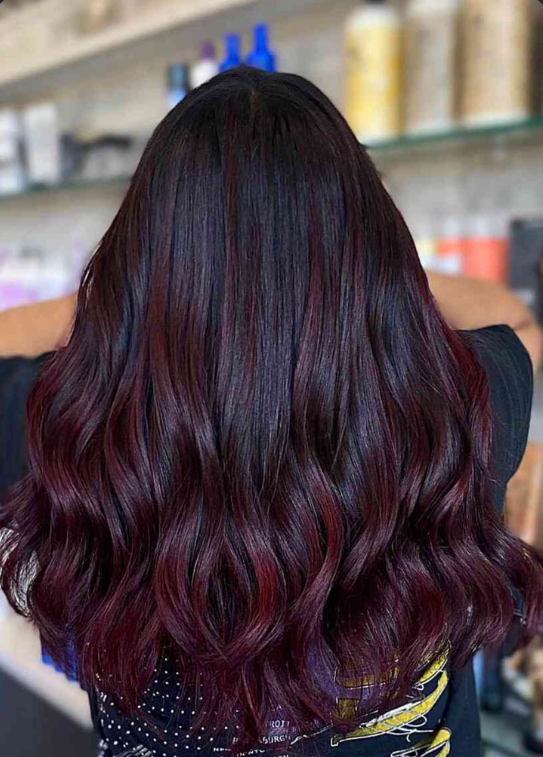
Burgundy balayage always makes me smile because it brings out the bold side of my clients. I remember doing this on a dark-haired model who had never colored her hair before — she walked in shy and walked out flipping her burgundy ends like she invented confidence. Honestly, burgundy on dark hair is electric. It lifts the whole look without feeling too dramatic.
To be fair, burgundy needs depth to look its best. I like saturating the mids and ends with that wine-like richness and fading it softly into the roots. The trick I’ve found is to avoid placing it too high; the contrast looks better when the color blooms lower. If you want to try it, pre-lightening helps, but even without it, a good burgundy gloss can give you that subtle ruby glow.
Rose Brown Balayage
Rose brown balayage feels dreamy every single time I paint it — soft, romantic, and a little whimsical. I once tried it on a model “just to experiment,” and she ended up booking it for four more shoots. Honestly, the rosy undertone peeking through dark brown hair is such a pretty surprise. It’s feminine without being too girly, which I love.
In my opinion, rose brown looks best when you keep the rose toned-down rather than pink-pink. I’ve found that using a brown base gloss with a hint of rose gives this halo-like warmth that looks magical in the sun. If you want to recreate this, layer your tones — don’t rely on a single formula. Build the color slowly until you hit that perfect flushed-brown shade.
Cinnamon Red Balayage
Cinnamon red balayage reminds me of warm winter mornings — spicy, cozy, and full of depth. I did this shade on a model who said she wanted hair that “felt like autumn,” and cinnamon red just brought her whole look to life. Honestly, the mix of red and brown is irresistible on dark hair. It’s bold but still grounded.
To be fair, cinnamon tones can get intense quickly, so I always build them slowly. I’ve found that painting a few brighter pieces around the face makes the whole look more vibrant without overwhelming the natural base. If you’re trying it at home, keep your developer low and your sectioning thin so you don’t end up with chunky red patches. Slow and steady makes cinnamon look expensive.
Soft Brown Balayage
Soft brown balayage is my go-to when someone wants a gentle, whisper-light upgrade. I once worked this shade onto a model whose brief was “I want something, but I don’t want people to know what the something is,” and soft brown was the perfect solution. Honestly, it brightens dark hair in the most low-key way.
In my opinion, soft brown works best when the highlight pieces are super fine — almost hairline-thin. I’ve found that weaving tiny sections gives the hair movement without creating contrast. If you want to try something simple, this is it. Use a shade just one or two levels lighter than your natural color and blend like it’s a meditation session. Soft brown isn’t meant to stand out; it’s meant to make everything else look better.
How to Choose the Right Balayage Shade?
Picking the perfect balayage shade for dark hair isn’t just about choosing a pretty color—it’s about finding a tone that blends naturally with your features and fits effortlessly into your lifestyle. Here’s how I help my clients decide the shade that truly suits them:
• Consider your undertone
Your skin’s undertone plays a huge role in what color will look the most flattering. Warm undertones pair beautifully with caramel, honey, and golden browns, while cool undertones shine with ash, taupe, and smokey browns. If you’re neutral, you can go either way.
• Natural hair level
Your starting hair color affects how light your balayage can safely go. Very dark hair may need gradual lifting to reach lighter browns, while medium-dark hair can achieve softer browns or even toffee shades in one session.
• Lifestyle & maintenance
If you prefer low-maintenance hair, choose subtle balayage or colors close to your natural shade. If you don’t mind salon visits, you can experiment with trendy tones like cinnamon, burgundy, or ash that may need toning more often.
• Warm vs. cool preferences
Think about the vibe you love—warm shades give a cozy, glowing look, while cool tones create a modern, sophisticated feel. Your personal style can help determine which direction to go.

Hi, I’m Anna Spencer, A professional hairstylist based in North Carolina and the creator of Hairstyles for Life. With over a decade of hands-on salon experience, I’ve styled everything from everyday looks to runway-ready transformations. I started this website to share my passion for hair, offer expert tips, and help you feel confident in your personal style no matter your hair type or length. Whether you’re looking for quick tutorials, timeless trends, or honest product advice, you’ll find it all here.