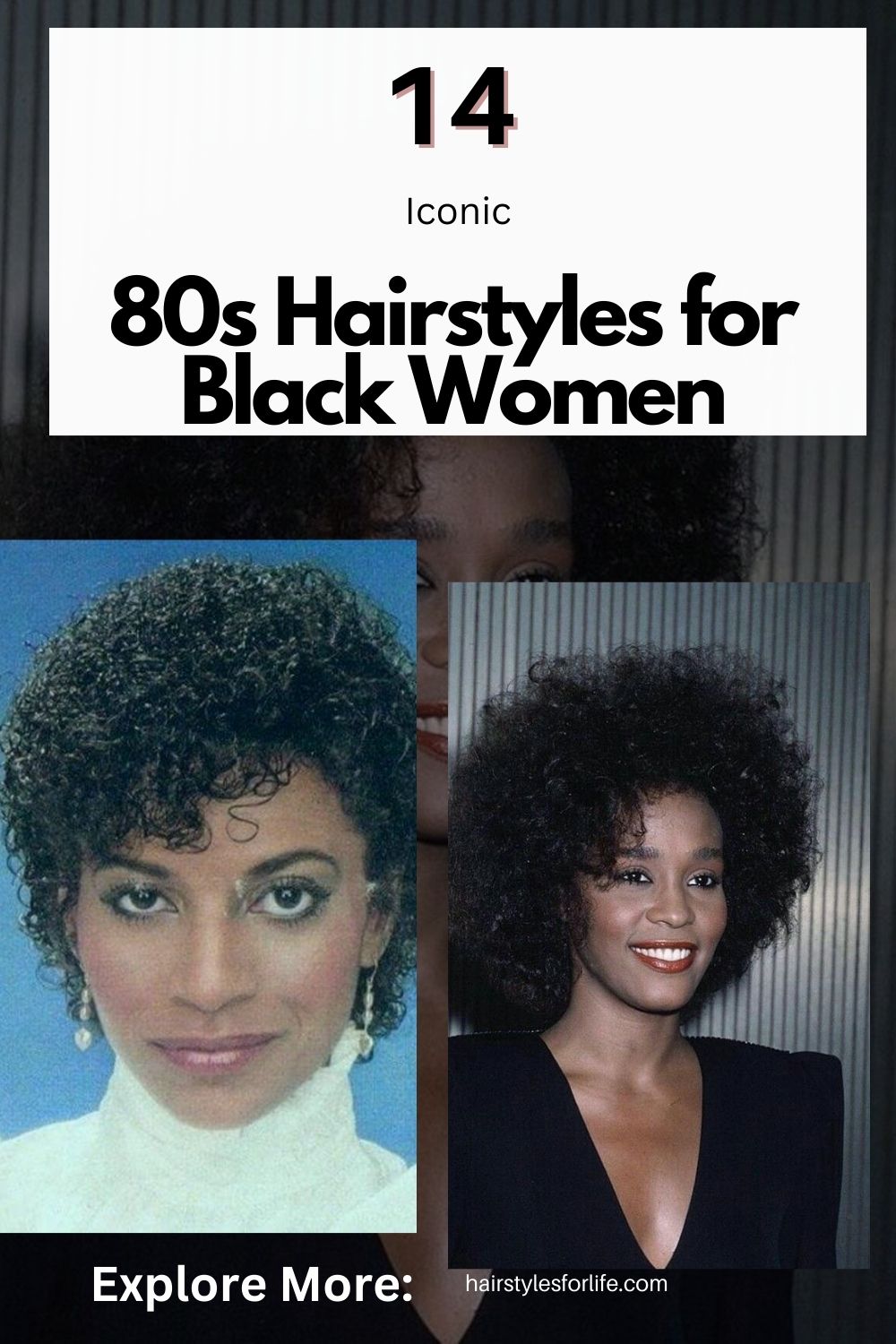
I still remember flipping through old family photo albums and stopping at my aunt’s pictures from the 80s—big hair, bold confidence, and that don’t-mess-with-me smile. You know the look. It felt powerful, like her hair was saying something before she even spoke. If you’ve ever wondered why those styles still hit different, you’re not alone. Life gets busy, trends come and go, and sometimes it’s easy to forget just how much history and attitude lived in those looks. But 80s Hairstyles for Black Women weren’t just about fashion—they were about expression, pride, and showing up unapologetically. Maybe you’re feeling bored with your current style, or craving something that feels fun again. Been there. In this article, I’ll walk you through iconic 80s looks, why they mattered, and how they still inspire today. Trust me, by the end, you’ll see why those hairstyles never really went out of style—they just evolved. And honestly? That’s kind of beautiful.
80s Hairstyles for Black Women
80s hairstyles for Black women were all about bold volume, natural texture, and fearless self-expression. These iconic looks celebrated individuality and made a powerful style statement that still inspires today.
Honestly, I have such mixed feelings about the Jheri Curl, and that’s probably why I love talking about it. It was shiny, juicy, and unapologetically extra. When I first tried recreating it years later, I realized how much commitment it really takes. You’re basically signing up for moisture 24/7. I’ve found that the key is not drowning your hair but feeding it slowly—curl activator in small amounts, layered on damp hair, works way better than overdoing it all at once.
In my opinion, if someone wants to try this today, they need patience and a silk scarf nearby at all times. I usually tell readers to start with well-conditioned curls, use rods or a loose perm if they’re comfortable, and then maintain it daily. To be fair, it’s messy and not for everyone, but when it hits right, it really hits.
High-Top Fade
The high-top fade is one of those styles that instantly screams confidence. I remember seeing old photos and thinking, wow, the precision alone is intimidating. When I finally worked on one myself, I learned quickly that the shape matters more than the height. You can’t rush the cut or eyeball it—you have to map it out, especially around the temples and crown.
I’ve found that keeping the sides clean and the top moisturized is what makes it wearable today. In my experience, using a sponge or curl cream on top softens the look without losing that sharp 80s edge. It’s bold, yes, but it’s also surprisingly versatile if you maintain it weekly.
Curly Afro
The curly afro feels personal to me, probably because it’s so tied to identity. Back in the day, it wasn’t about perfection, and honestly, that’s still true. I’ve learned the hard way that over-shaping ruins the vibe. The best afros I’ve seen were grown, picked gently, and left a little wild.
If you’re trying this now, I’d say focus on curl health first. Deep conditioning, minimal heat, and stretching techniques make all the difference. In my opinion, the magic of a curly afro is letting it breathe. It doesn’t need constant control, just respect and moisture.
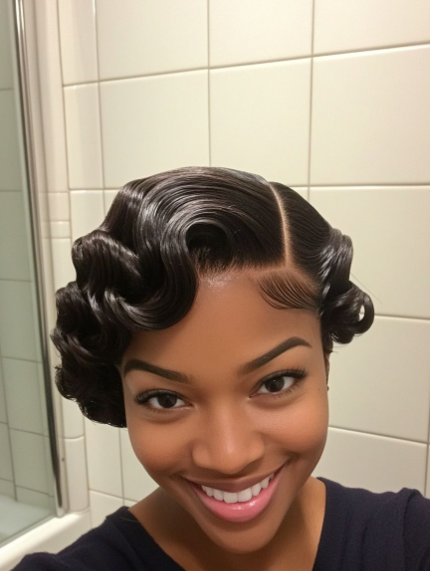
Finger waves look delicate, but let me tell you, they test your patience. The first time I attempted them, my arms were sore and my confidence was shaken. Still, once you get the rhythm, it becomes almost meditative. I’ve found that working on soaking-wet hair with a strong hold gel gives you way more control.
To be fair, this style isn’t rushed. I always recommend sitting under a dryer or letting it air dry completely before touching it. When done right, finger waves feel timeless and powerful, like you’re carrying history on your head.
Box Braids
Box braids in the 80s had a different energy—thicker, bolder, and less polished. I actually prefer that version. In my opinion, today’s ultra-sleek braids sometimes lose that retro soul. When I recreate this look, I go for chunkier parts and slightly uneven lengths.
I’ve found that prepping the hair properly makes everything easier. Stretch the hair, moisturize well, and don’t braid too tight. Honestly, comfort matters. These braids should feel protective, not painful, and they age beautifully when done with care.
Feathered Curls
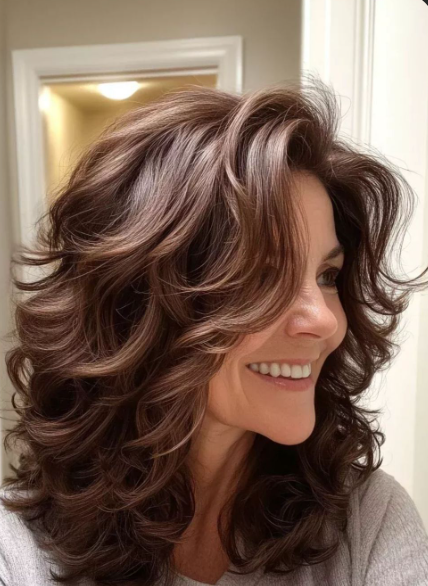
Feathered curls always remind me of movement. The first time I styled them, I couldn’t stop flipping my hair around. The layers are the star here, and I’ve learned that cutting them right is more important than the curling itself.
I usually suggest using large rollers or a round brush blow-dry, then breaking the curls apart with fingers. In my experience, hairspray should be light, not stiff. The goal is softness, that airy 80s bounce that looks effortless even when it isn’t.
Asymmetrical Cut
This one feels rebellious, and I mean that in the best way. I tried an asymmetrical cut during a phase when I wanted something different, and honestly, it changed how I carried myself. The imbalance is intentional, and that’s what makes it powerful.
If you’re doing this now, I’d say commit fully. Half-hearted asymmetry just looks accidental. I’ve found that keeping one side sharp and the other textured gives it that authentic 80s edge while still feeling modern.
A shoulder-length blowout is one of those styles that looks simple but takes skill. I remember thinking it would be easy, then realizing how much tension and heat control matters. The 80s version had volume, not flatness.
I usually recommend sectioning the hair properly and using a round brush with intention. In my opinion, the secret is letting the hair cool before styling it further. That’s how you lock in body without frying your ends.
Tapered Cut
The tapered cut is quiet confidence. It doesn’t shout, but it definitely speaks. When I first wore one, I loved how low-maintenance it felt while still looking intentional. The gradual fade is everything here.
I’ve found that regular trims keep it sharp, and curl cream on top adds personality. To be fair, it’s one of the easiest 80s styles to adapt today, especially if you like structure with a little softness.
Curly Pixie Cut
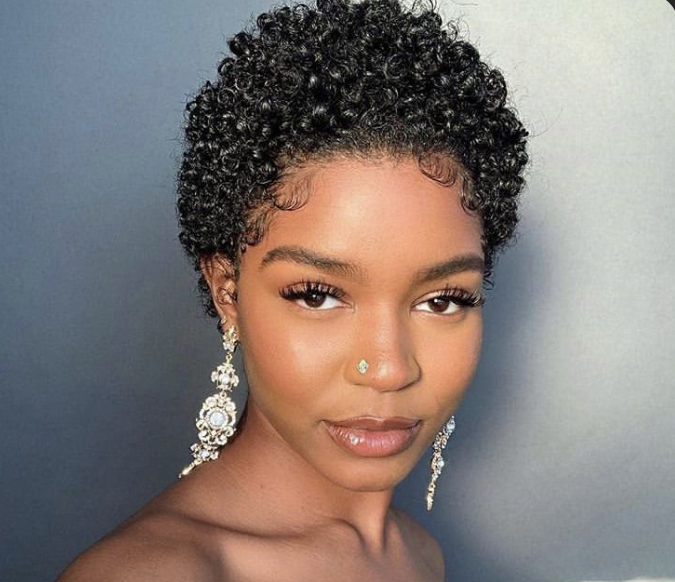
The curly pixie cut is for people who aren’t afraid of their face. I was nervous the first time I tried it, but honestly, it felt freeing. The curls do all the talking, so the cut needs to support them, not fight them.
I usually suggest defining curls with a lightweight cream and letting them fall naturally. In my opinion, this style works best when you stop overthinking it. The beauty is in its simplicity, and that’s what makes it timeless.
Styling Techniques Used in the 80s
In the 1980s, hairstyling was all about big volume, defined curls, and long-lasting hold. Black women used creative techniques and products to enhance natural texture and achieve bold, statement-making looks.
Blow-drying for volume: Hair was blow-dried upward or flipped forward to create extra lift and fullness, especially for afros and layered styles.
Curl activators and setting lotions: These products helped keep curls soft, shiny, and well-defined while maintaining moisture throughout the day.
Teasing and layering methods: Backcombing and layered cuts were used to add height, shape, and a dramatic 80s finish.
Use of rollers and flexi rods: Rollers and flexi rods were popular for creating tight curls, loose waves, and bouncy styles without heavy heat.
Hi, I’m Anna Spencer, A professional hairstylist based in North Carolina and the creator of Hairstyles for Life. With over a decade of hands-on salon experience, I’ve styled everything from everyday looks to runway-ready transformations. I started this website to share my passion for hair, offer expert tips, and help you feel confident in your personal style no matter your hair type or length. Whether you’re looking for quick tutorials, timeless trends, or honest product advice, you’ll find it all here.